
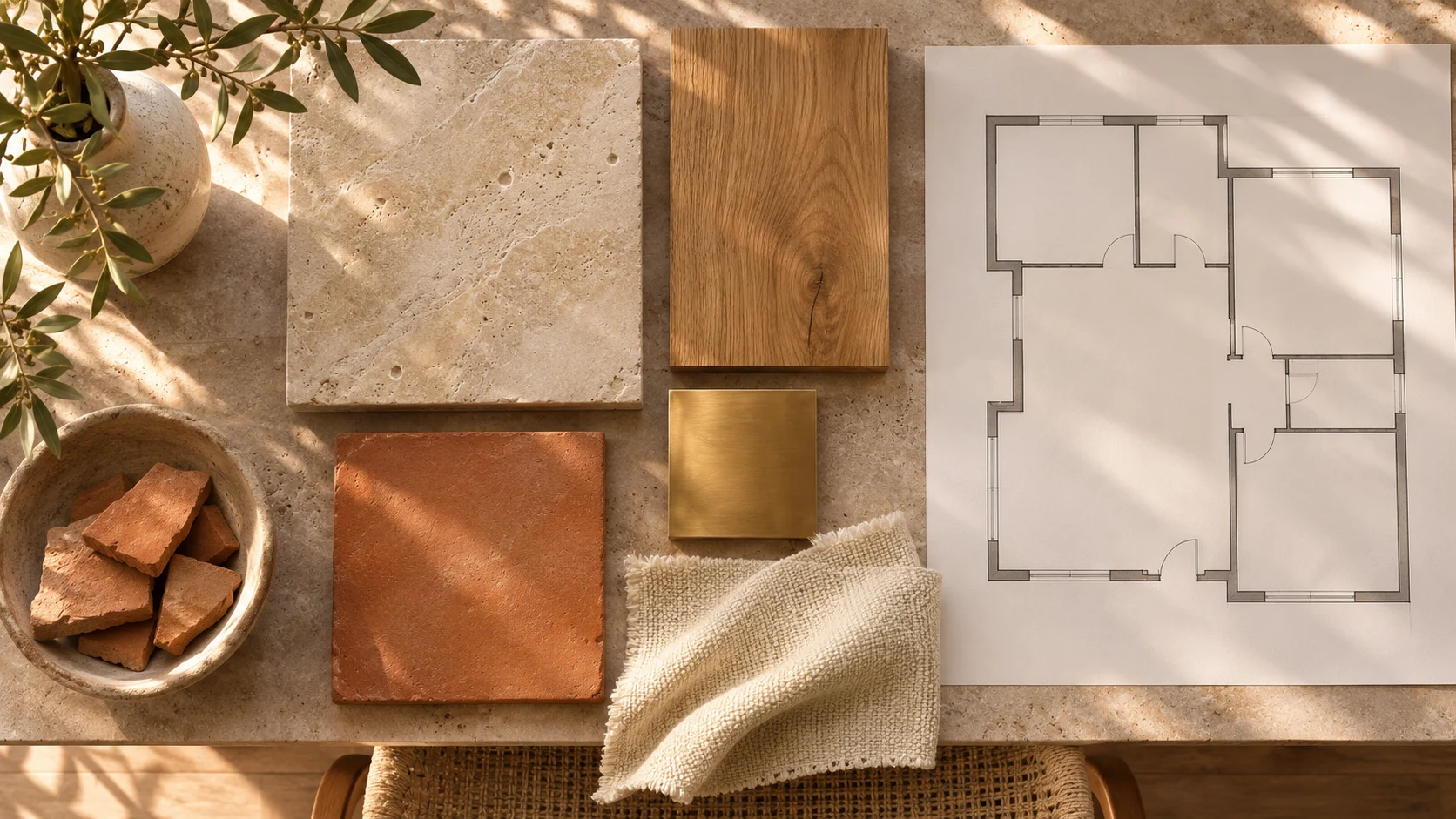
You do not need to arrive with the solution. A good design brief describes the life a space needs to support and gives the project a clear set of priorities.
Begin With What Works
Before listing everything you want to change, notice what already feels right. Perhaps a room catches the morning light, a view matters to you or an existing material gives the property its character. Those observations help separate valuable qualities from habits that simply came with the building.
Describe Daily Life
Think about arrival, cooking, working, gathering, storage and quiet time. Where does the current space help, and where does it create friction? Specific examples are more useful than broad labels such as open-plan or modern. A design can respond to real activities when they are described clearly.
Set A Small Number Of Priorities
Most projects involve trade-offs. Decide what would make the greatest difference and what can remain flexible. Budget range, time constraints, maintenance preferences and long-term plans are all part of the brief. Sharing them early helps the team explore realistic options.
Use Inspiration To Explain Why
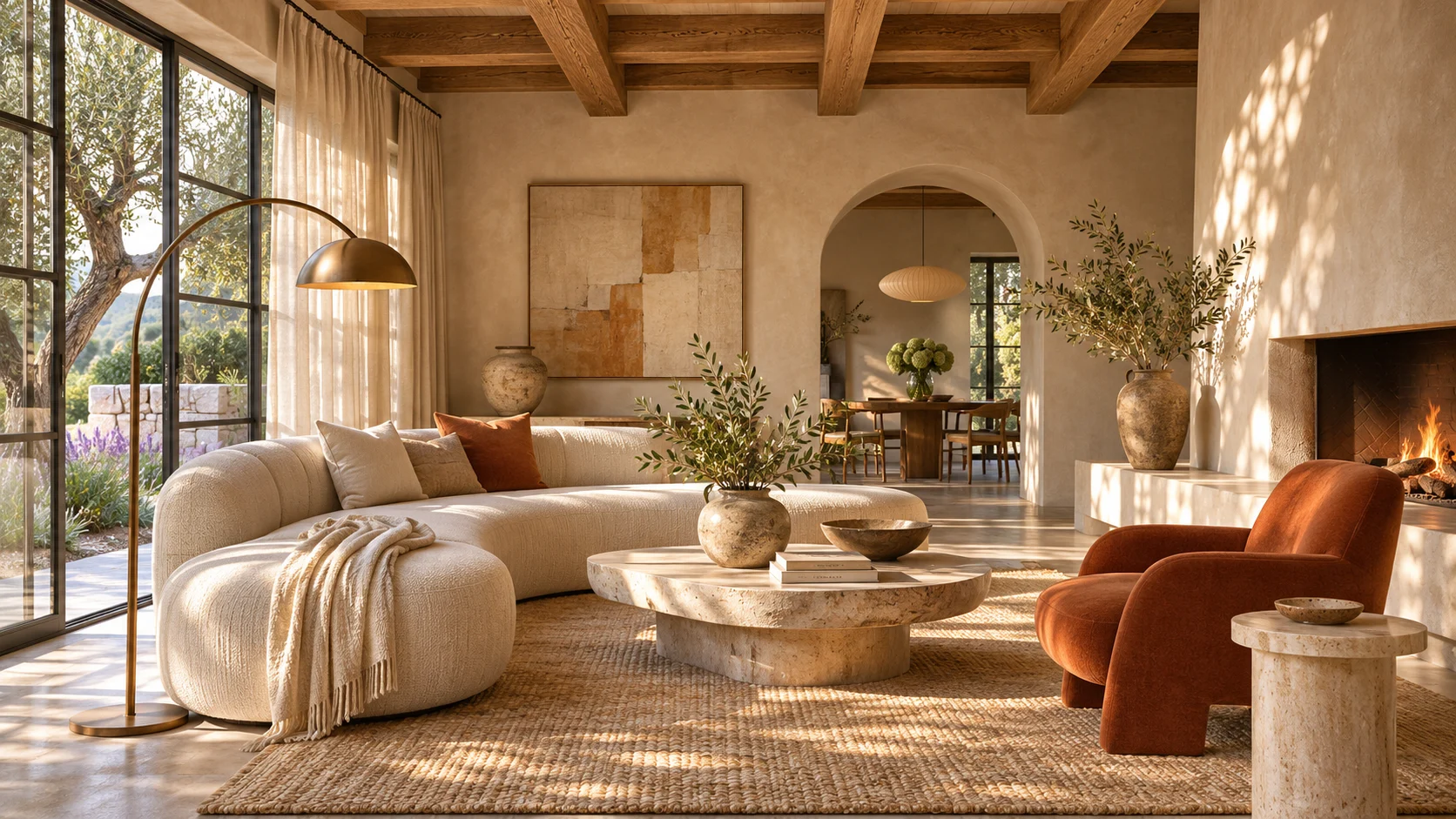
Collect a few images, but explain what you like in each. It may be the proportion of an opening rather than the entire house, or the texture of a wall rather than its colour. Looking for patterns across your references is a useful way to find a direction without copying one room.
Leave Room For Discovery
A brief is a starting point, not a finished design. Site information, technical advice and design exploration may reveal better answers. Keep the priorities clear while allowing the solution to develop through a considered process.
Ready For A Useful First Conversation?
Bring a few photographs, any available plans and the questions you want the project to answer.
Start Your Brief